Seven Regional British Cakes That Deserve a Place at Your Next Party
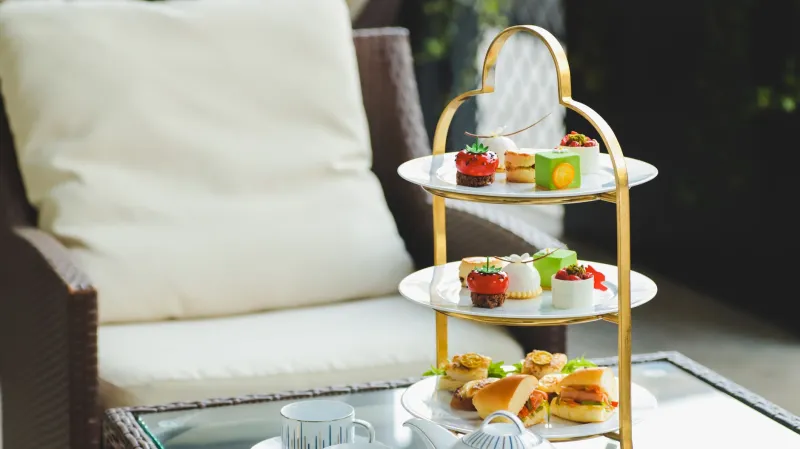
Victoria sponge will always be welcome at a British celebration. It is reliable, friendly and everyone knows where they stand with a slice of jam and cream. But step away from the familiar for a moment and you will find a country full of cakes with stories baked into them. Regional recipes often grew out of local ingredients, feast days and community gatherings, and many of them make wonderful centrepieces for a birthday, anniversary or street party in 2026. At Cakes by Dawn, we like to borrow that heritage and give it a modern, home-bakery finish. Here are seven to put on your radar.
1. Dundee cake: the Scottish fruit cake with a gentler side
Dundee cake is the calm, elegant cousin of the heavy Christmas fruit cake. It is rich but not stodgy, with a tender crumb, citrus peel and a neat ring of whole almonds on top. Because it keeps well and slices cleanly, it suits a winter birthday, an anniversary tea or a community gathering where people arrive at different times. For a modern twist, bake it in a smaller tin, add plenty of orange zest and brush the warm cake with a little whisky or orange juice. The almonds can stay traditional or be arranged in a simple pattern for a cleaner, contemporary look.
2. Simnel cake: Easter's marzipan-topped heirloom
Simnel cake has a lovely sense of occasion about it. The layer of marzipan through the middle and the golden marzipan lid on top make it feel like a proper celebration bake, even before anyone has cut a slice. It is traditionally an Easter cake, but the idea of a light fruit cake with almond sweetness works beautifully for spring birthdays and christenings too. Try a modern twist with pistachio marzipan and a little lemon zest in the cake, or make mini Simnel cakes for a coffee morning. Keep the eleven marzipan balls if you like tradition; leave them off if you prefer a simpler finish.
3. Bara brith: Wales's tea-soaked treasure
Bara brith is one of those cakes that seems to have been made for a good natter. It is a tea loaf, often soaked with dried fruit and served in thick slices with butter. It is not fussy, but it is full of flavour and keeps beautifully. For a celebration version, bake it in a round tin, brush the top with a little warmed honey and serve it with salted butter or a spoonful of clotted cream. Toasted the next day, it is every bit as good. It would sit happily on an afternoon tea table or alongside a cheese board at a relaxed party.
4. Battenberg: the chequerboard that says party
Battenberg always looks like a celebration, even when it is simply a Tuesday. The pink and yellow squares, the almond paste and the neat slice are pure British teatime theatre. A home-bakery take can use natural colour from raspberry or beetroot powder, a touch of rosewater in the sponge and a generous layer of good raspberry jam. It is fiddly to make well, but that is part of its charm. For a birthday, a full Battenberg makes a cheerful centrepiece; for a bigger do, cut it into fingers and watch it disappear.
5. Parkin: Yorkshire's bonfire-night bake
Parkin is a Yorkshire favourite with a deep ginger flavour and a moist, oaty texture. It is traditionally eaten around Bonfire Night, but there is no rule saying it cannot turn up at an autumn birthday or a fireworks party. It also gets better after a day or two, which makes it a sensible make-ahead cake. Try mini parkin loaves with a swirl of ginger cream, or bake one larger cake and serve it warm with custard. The dark treacle and oatmeal give it a character that a plain sponge simply cannot match.
6. Bakewell tart: Derbyshire's almond-and-jam classic
Bakewell tart is a masterclass in contrast: crisp pastry, jam, frangipane and flaked almonds. It is often served as a pudding, but it has plenty of celebration potential. For a modern twist, use cherry compote instead of raspberry jam, or bake a large celebration slab and decorate the top with a simple almond pattern. It cuts into neat fingers for a buffet and looks generous without being overly decorated. A little icing sugar and a few fresh cherries are all it needs.
7. Cornish saffron cake: a golden celebratory loaf
Cornish saffron cake is golden, fragrant and just unusual enough to start a conversation. The saffron gives it a warm colour and a subtle flavour that works beautifully with dried fruit and a little orange zest. It is traditionally served with clotted cream or butter, and it makes a lovely change from a standard fruit cake. For a modern celebration, bake it in a round tin, finish it with a light dusting of icing sugar and serve it in generous wedges. It is the kind of cake that feels both old-fashioned and quietly special.
Choosing a heritage cake for your do
Think about the guest list, the time of year and the texture you want. Fruit cakes suit quieter, grown-up gatherings; lighter sponges suit children; tea loaves are brilliant for afternoon events. You do not have to follow a recipe like a museum piece. Add a flavour your family loves, change the shape, or ask for a message on top. The point is to make it yours.
At Cakes by Dawn we bake celebration cakes in small batches, and we love working with customers who want something a little different from the usual. If a Dundee cake with a birthday message or a Simnel-inspired Easter centrepiece sounds like your kind of celebration, get in touch. Heritage is not just for history books; it belongs on the cake stand.