The Christmas Cake Diaries: A Gentle 2026 Plan from First Stir to Final Slice
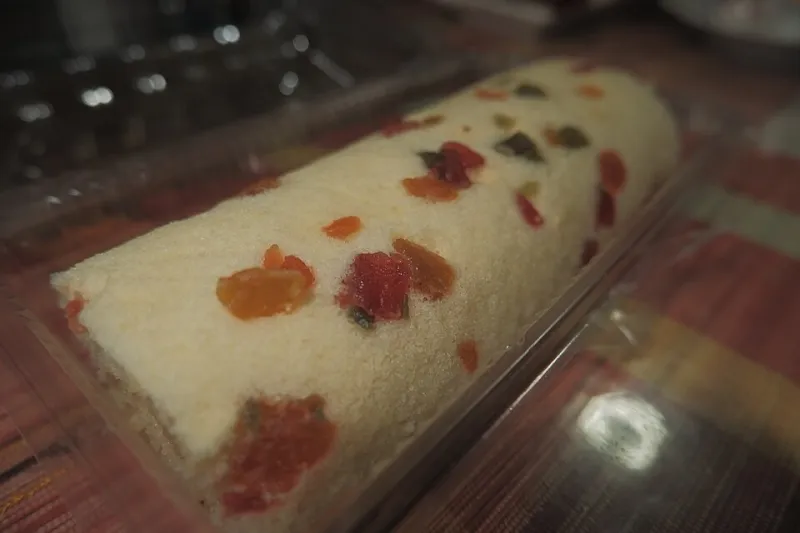
Photo: Louiesemendez, CC BY-SA 4.0, via Wikimedia Commons
There are two kinds of Christmas cake planners. One starts soaking fruit in October and feeds the cake like a beloved pet. The other remembers on Christmas Eve and hopes for the best. If you are somewhere in the middle, this 2026 timeline is for you. As of 7 November 2026, you have a comfortable head start — and Stir-Up Sunday falls on 22 November this year, which gives the whole thing a pleasing bit of ceremony.
First, decide which kind of Christmas you are having
Before you buy a single currant, choose your path. Baking from scratch is lovely, but it is not the only way to put a proper Christmas cake on the table. You might bake the cake yourself and buy the decorations. You might make the cake but use ready-made marzipan and fondant. Or you might order a celebration cake from Cakes by Dawn and spend December doing something other than greasing a tin. None of these is cheating. The point is a cake that feels like yours, not a test you can fail.
If you are ordering, do it now rather than in a panic on 20 December. Christmas is the busiest stretch for any bakery, and a little notice helps with flavours, sizes and collection times.
Now until 21 November: gather, soak and don't overthink
Traditional recipes ask you to soak dried fruit in brandy, rum or sherry overnight — or for a week, if you are that sort of person. A modern shortcut is to soak the fruit for a few hours in strong tea, orange juice or a splash of something boozy, then let it drain. You are not aiming for a drunken cake; you are aiming for fruit that stays juicy and tastes like Christmas rather than like dried fruit from the back of the cupboard.
Check your tin. A 20cm round tin is a good size for a family cake; a 23cm tin gives you more generous slices. Line it now if you like, or buy a paper liner. Weigh out your dried fruit, check your spices are still lively, and put a note on the calendar for 22 November.
Sunday 22 November: Stir-Up Sunday
Stir-Up Sunday takes its name from the old prayer that begins 'Stir up, we beseech thee, O Lord' — a signal that Christmas preparations were underway. The tradition is simple: everyone in the house gives the cake mixture a stir and makes a wish. It is a bit of fun, and it is also a useful reminder that Christmas cake is meant to be shared.
If you are baking, make the cake on the day or over that weekend. A few practical notes: chop larger fruit and nuts, mix the dry ingredients thoroughly, and do not rush the baking. Fruit cakes bake low and slow. Most recipes need two to three hours at around 140C to 150C, with a layer of brown paper or a baking strip around the tin to stop the edges catching. If your oven runs hot, trust the skewer test rather than the clock.
The feeding weeks: 23 November to mid-December
Once the cake is completely cold, wrap it in greaseproof paper and foil and store it somewhere cool and dry. Feed it every week or so with a tablespoon or two of brandy, rum, sherry or orange juice. Prick the top with a skewer first, spoon the liquid over, wrap it back up and forget about it. If you are using juice rather than alcohol, keep the cake in the fridge if your kitchen is warm.
This is the quiet part of the plan. It is also where a homemade cake starts to taste properly mature. If you are short on time, two feeds are enough. If you are feeding a cake you ordered from Cakes by Dawn, stop right there — a professional cake is already balanced, and extra liquid will not improve it.
Mid-December: the marzipan layer
Around 13 or 14 December, give the cake a brush with warmed apricot jam and add a layer of marzipan. Ready-made marzipan is perfectly good; roll it thinly, drape it over, smooth it down and trim the excess. Let it dry for a day or two before icing, or longer if your kitchen is humid. If you are skipping marzipan, a thin layer of buttercream or a simple fondant finish works too.
The final week: icing, decorating and making it yours
By 20 or 21 December, you want the cake decorated and out of the way. Royal icing gives the classic snowy top; ready-to-roll fondant is quicker and easier to shape. A simple finish — a ribbon, a few sugared cranberries, some star-shaped biscuits — often looks better than a crowded design. If you are not confident with piping, use a palette knife to swirl the icing and call it a snowdrift.
This is also the week to think about the table. A cake board, a cake stand, a sharp knife and a tub of cream or brandy butter are the only extras you really need.
Christmas Eve and the big slice
On Christmas Eve, move the cake somewhere cool but accessible. On the day itself, cut thin slices for after dinner and thicker ones for anyone who has been eyeing it since breakfast. Fruit cake keeps well, so leftovers are a gift rather than a problem.
If you are ordering from Cakes by Dawn instead
Use the same calendar, but swap baking for booking. Order by early December if you can. Confirm the size, flavour and collection or delivery details. On the day, keep the cake at room temperature unless you have been told otherwise, and do not add extra alcohol or decorations without checking. Your timeline then becomes about the rest of Christmas: the table, the guests, the leftovers.
Whether you bake or order, the cake is only one part of the day. The best Christmas cake is the one that reaches the table with a minimum of stress and enough left over for a second slice.