The Right Words, Iced: A Calm Guide to Cake Messages That Hit the Spot

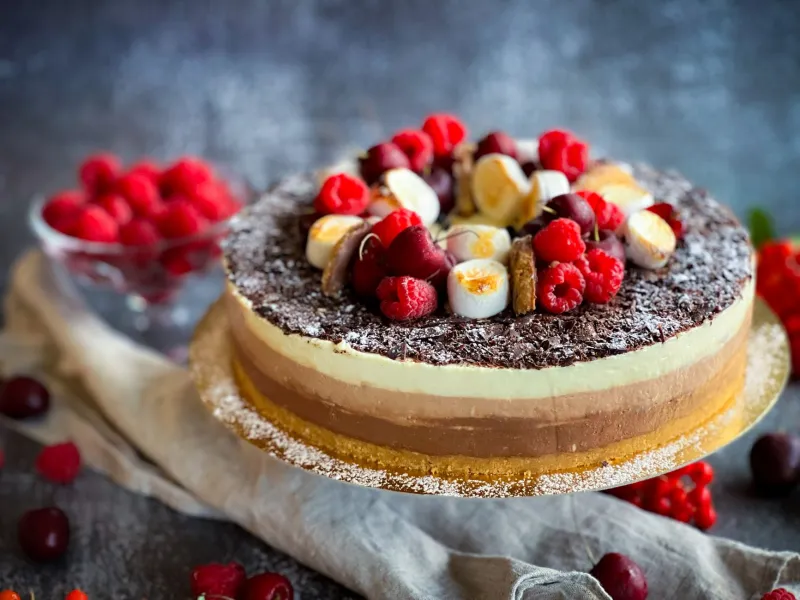
Photo: ᱥᱟᱹᱜᱩᱱ ᱗, CC BY 4.0, via Wikimedia Commons
There’s a particular moment at every celebration when the cake lands on the table. Before the candles are lit, before anyone remembers to find the matches, eyes go straight to the writing. A piped message is public, permanent and usually photographed, which is why it deserves a minute of thought. The good news is that cake wording doesn’t need to be clever. It needs to be clear, kind and short enough to look lovely in buttercream.
Start with the job the message has to do
A cake message isn’t a greeting card. It has one small patch of icing to work with and one job: to make the person feel seen. That might mean a simple “Happy Birthday, Sam”, a gentle “Congratulations”, or something a bit more personal like “Best Mum in the North”. The trick is to decide what you actually want to say before you start browsing fonts on Pinterest.
Ask yourself three questions. Who is this for? What do I want them to feel when they read it? And will it still make sense when the cake is across the room? If the answer to the last one is “only if they were there when the joke started”, it might be better saved for the card.
The length rule that saves the day
Most celebration cakes have a surprisingly small canvas for writing. A six-inch cake with a piped border might comfortably take two short lines. A larger cake can handle more, but crowded icing is rarely the look. As a rough guide, aim for twelve to eighteen characters per line, and no more than three lines unless your baker has specifically allowed for more.
Short doesn’t mean boring. “Happy 40th, Kate” does the job beautifully. “Happy Birthday, Kate — We Love You Lots and Lots and Lots” is a lot to ask of a piping bag. If you have a longer sentiment, use a cake topper, a handwritten tag or a card alongside the cake. Let the icing breathe.
Punctuation is worth a thought too. A comma after a name helps the message scan properly. An exclamation mark can feel cheerful, but three of them can feel shouty. Apostrophes matter, especially for “Mum’s 40th” or “Dad’s Big Day”. And while capital letters are fine, a whole message in capitals can come across a bit stern. Mixed case usually feels friendlier.
Match the tone to the room
Tone is where cake messages get interesting. A child’s birthday cake can be joyful, silly and full of exclamation marks. A retirement cake might be warm and slightly wry. An anniversary cake often works best with something simple and sincere. A thank-you cake can be a little more playful, because the message is already doing a lovely thing by existing.
For family celebrations, the safest approach is warm and inclusive. For friends, a gentle in-joke can be perfect, provided everyone at the table will understand it. For work cakes, keep it kind and neutral. “Congratulations, Priya” will always land better than an inside joke that leaves half the office smiling politely and wondering what they missed.
When “Happy Birthday” feels a bit beige
There’s nothing wrong with the classic. It’s clear, familiar and fits neatly on almost any cake. But if you fancy something with a little more personality, there are plenty of options that don’t need a paragraph of explanation.
For birthdays, try “Another Year of You”, “Happy Birthday, Legend”, “Officially Wonderful” or “Let’s Eat Cake”. For children, “Hooray for You” or “Birthday Star” works nicely. For anniversaries, “Still My Favourite” or “Here’s to Us” feels warm without being overly soppy. For thank-yous, “You’re a Star” or “Thank You, Truly” is simple and sincere. And for a just-because cake, “Because Tuesday Needed Cake” or “Just Because You’re You” is hard to beat.
A word of caution: irony doesn’t always travel well in icing. Sarcasm can look affectionate in a group chat and slightly pointed on a cake. If you’re not sure, read the message aloud in the voice of someone who doesn’t know you. If it sounds unkind, choose something else.
Spelling, names and the small details
This is the bit worth double-checking. Names are the most common cake-message pitfall, especially unusual spellings. “Katherine” and “Kathryn” are not interchangeable when it’s someone’s birthday. “Jon” with no H is not the same as “John”. If you’re ordering for a friend’s child, ask the parent to type the name exactly as it should appear. It takes ten seconds and saves a lot of awkwardness.
Numbers are worth a check too. “Happy 21st” needs the right suffix. “Happy 30th, Mum” is clear. “Mum’s 30th” tells a slightly different story. And if you’re using a nickname, make sure it’s one the recipient genuinely likes. A cake is not the place to test out a new pet name.
Briefing a home baker without the faff
When you order from a home bakery, the message is usually piped by hand, so clarity is your friend. Send the exact wording in one message, with line breaks where you want them. Use capital letters and punctuation exactly as you want them to appear. If you have a reference photo, send it, but don’t worry if your baker suggests a slightly different layout to suit the cake.
It also helps to mention the occasion and the vibe. “It’s for my dad’s 60th, he’d like something simple” is more useful than “whatever looks nice”. If the cake is a surprise, say so. If the recipient has a favourite colour or a design detail that matters, mention it. And if you’re happy for the baker to use their judgement, say that too. Most home bakers would rather ask a question than guess wrong.
Sometimes less icing says more
If your cake is already decorated with fresh flowers, a statement topper or a busy buttercream design, a short message or even no message at all can be the most elegant choice. A single word like “Hooray” or “Love” can be enough. A plain cake with beautiful piping and one perfect line often looks more considered than a cake trying to say everything at once.
Before you send off your wording, read it aloud. Check the spelling of the name. Count the characters roughly. Imagine it in a photograph. And ask yourself whether it sounds like something you’d be happy to say out loud when the cake is presented. If the answer is yes, you’re ready. The candles can take it from there.